Overview
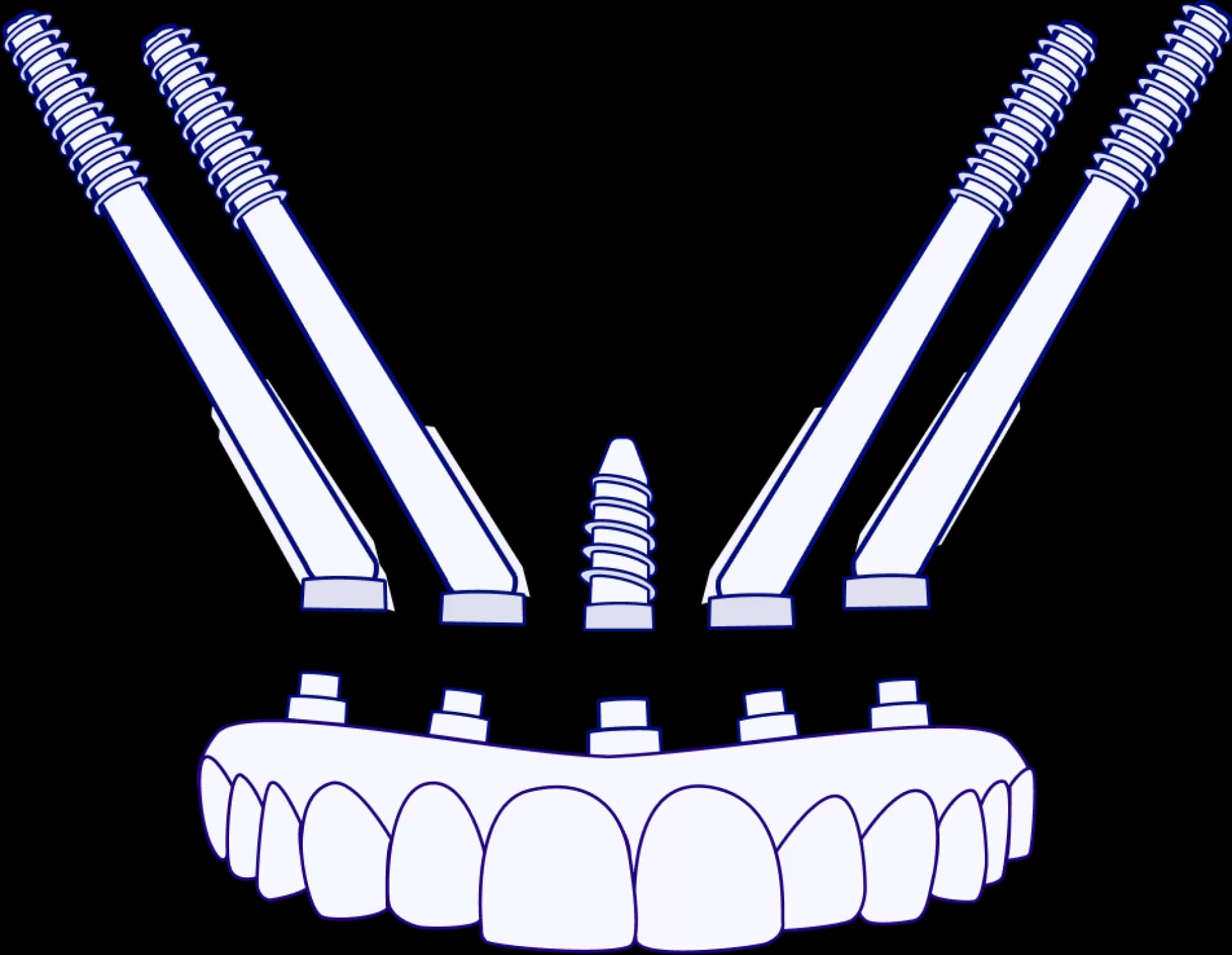
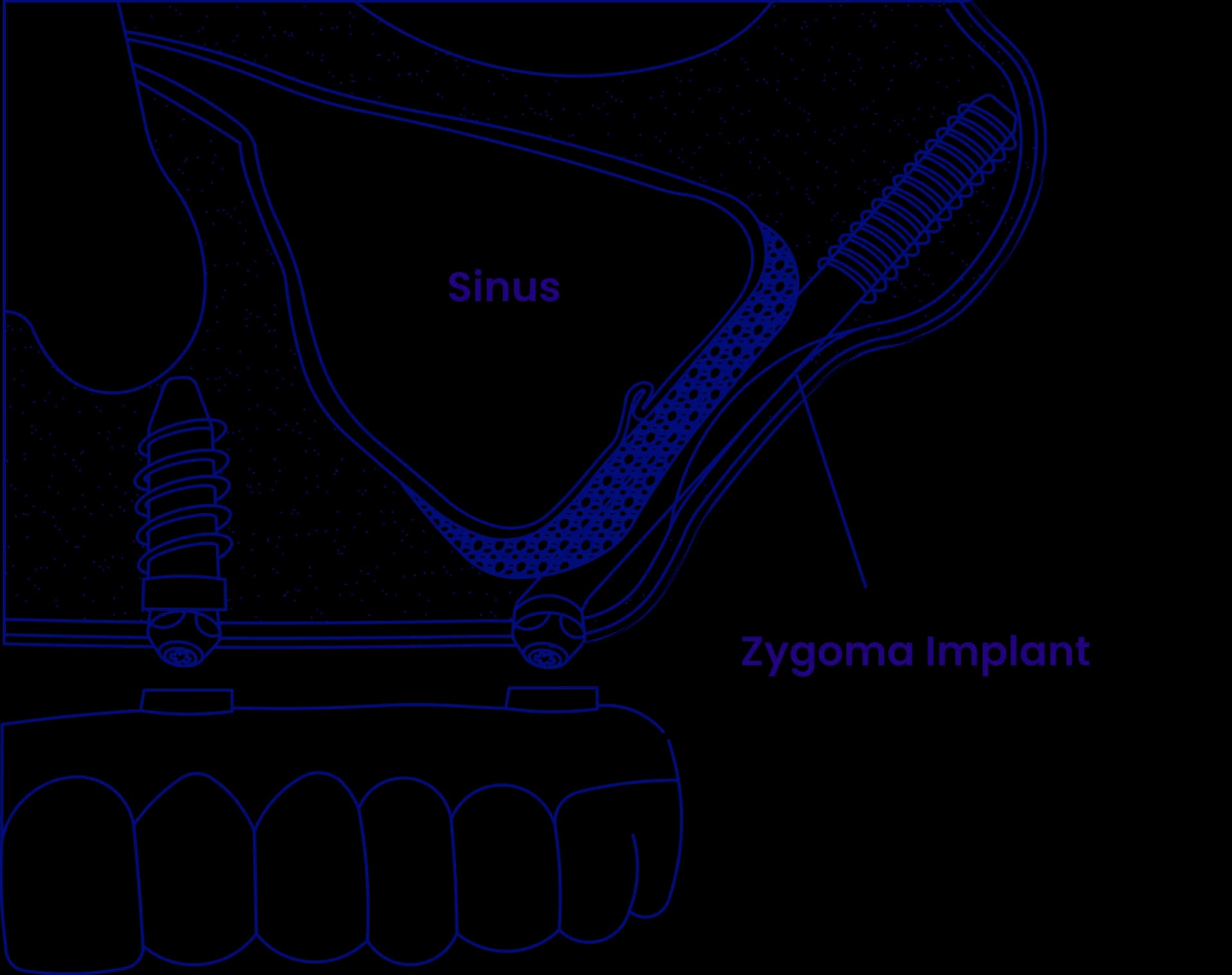
Zygomatic Implants, also known as ‘Zygoma’, are longer than standard dental implants that instead of relying on jawbone, transverse the poor area of your upper jaw to anchor into the underside of the cheekbones from the inside through the sinus space. This approach is used for severely resorbed upper jaws and is designed to facilitate immediate rehabilitation with fixed replacement teeth.
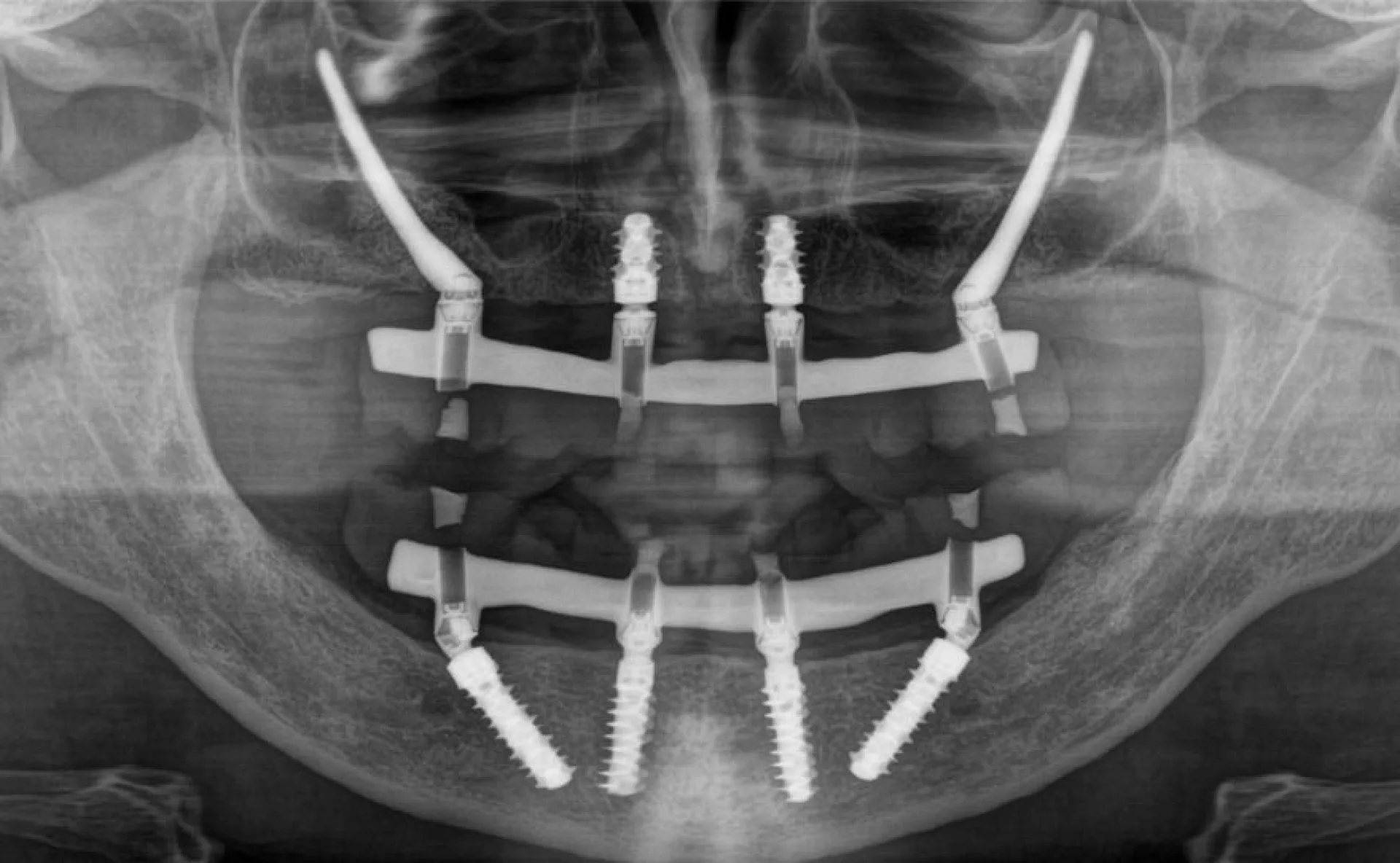
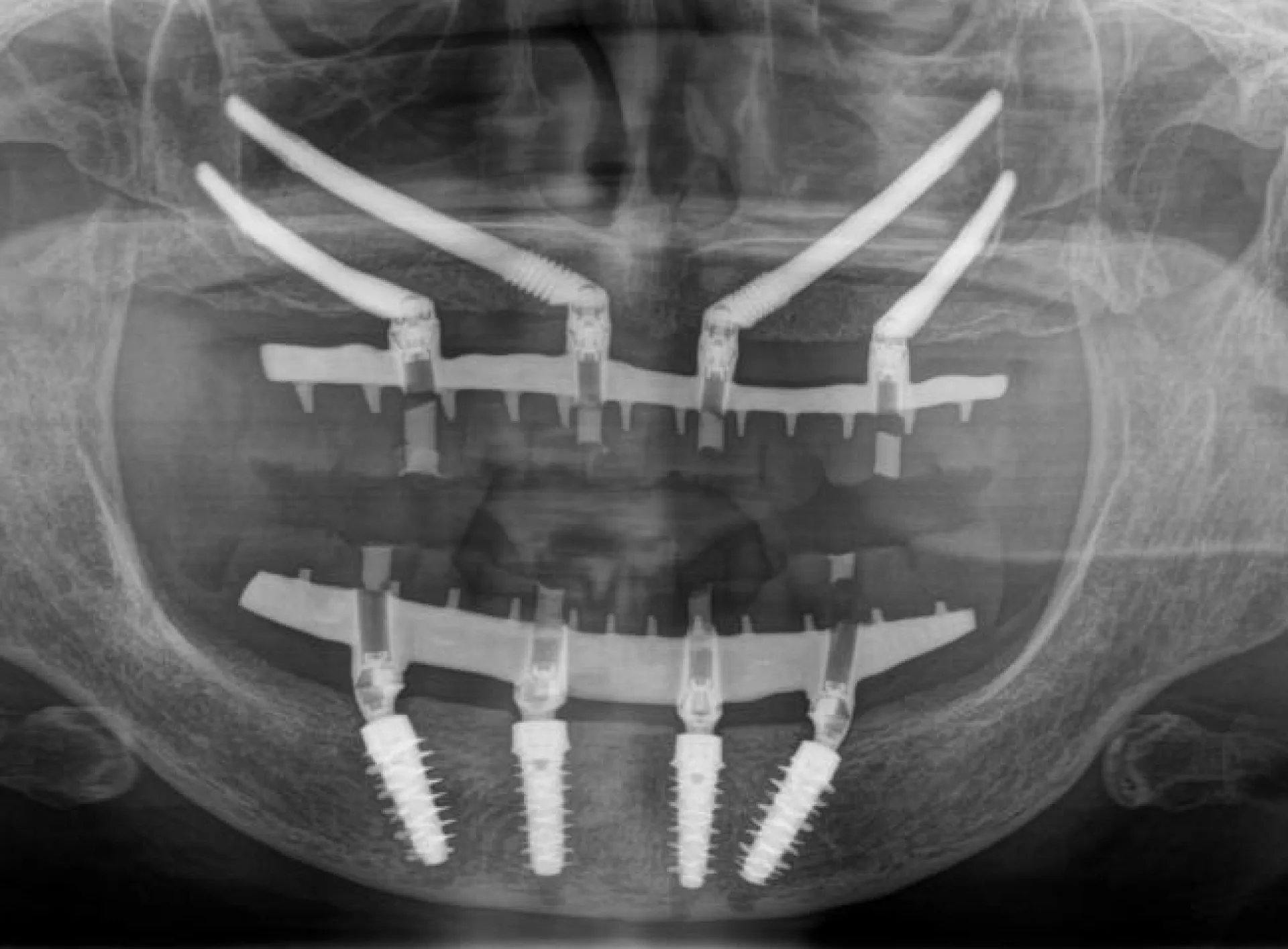
The zygoma implants are inserted in the back section from within the mouth, along with one or more additional regular implants in the front part of your jaw, or in the most severe of cases two zygomatic implants may be placed on each side, which is referred to as Quad Zygoma.
How the Jawbone gets to this point
Bone tends to naturally shrink after teeth come out. Leave it in that state deteriorating for years and the upper jaw (maxilla) can thin out and become porous or weak. A denture that sits on your gums, or infection and gum disease that remain active, can have the same effects. Some people have failing teeth in place. The bone under those teeth can be just as poor.
Treatment then runs out of places to put a standard implant. Angled rear implants in an All-On-4 Plus® plan use whatever sound bone is left. If that leftover bone is still not enough, we look to your cheekbones instead of expecting the jaw to do a job it cannot do.
How they are used in All On 4 Plus® Treatment
The implants are placed from inside the mouth, so no cuts are made on the face. A zygomatic implant goes in at the back on each side, and we usually add one or more normal implants towards the front of the same jaw. Those front implants use any decent bone that remains near the nose and share the load with the longer dental implants.
You still get one fixed bridge across the whole upper set. The plan is All-On-4 Plus® with a different set of anchors, not a separate kind of dentistry. 3D scans show us which side needs the lengthier implant and which side can take a standard one.
When Are Zygomatic Implants Used?
Zygomatic implants are typically recommended in cases where the upper jaw has severe bone loss (atrophy) due to long-term tooth loss or denture use.
Infection or gum disease (periodontitis) has destroyed significant upper jawbone
Severely resorbed upper jaws where there is not enough bone to support other implants:
When there has been other implant failures
When there is inadequate bone for standard bone grafting
Learn More about Zygomatic Implants
What Set's Them Apart from Standard Implants
A zygomatic implant is a much longer fixture than a typical implant. It starts inside the mouth at the back of your upper jaw, crosses the thin or hollow stretch of that jaw, and finishes in the underside of the cheekbone. The sinus space is commonly part of that path. The implant is not trying to live in bone that has already failed; it is aiming for bone that is still dense.
Regular implants stay inside your jaw, whereas zygomatic tooth implants leave the weak jaw behind to reach the cheekbone (zygomatic bone). That is why All-On-4 Plus® can use them when a conventional layout will not hold the teeth.
Who is Suitable for these Implants?
Zygomatic implants apply to the upper jaw only and suit some people with a jaw too weak or porous for a standard implant. Our dental specialists consider them after leftover bone in that jaw cannot hold the teeth, even with the rear implants angled.
To qualify as a candidate, your cheekbone has to be strong enough for the longer fixture, plus your general health has to allow the surgery. Scans of the maxilla and zygomatic bone tell us if it can support the bridge. Trouble in the lower jaw is a different plan.
*A consultation and clinical assessment by a dental practitioner is needed to determine your suitability for treatment.
FAQs
Answers to common questions. If you'd like to discuss anything further, get in touch with our team.
All On 4 Plus® Zygoma-Plus solution offers an immediate fixed alternative to dentures even in poor or thinning jawbone. Learn from Dr Alex Fibishenko about how Zygoma implants could be an option for you, even if you have poor bone.
An alternative to Zygoma Implants is bone grafting, which is used to re-build and strengthen jawbone structure, when bone volume is insufficient. This is most commonly used in the upper jaw, especially in the sinus regions (known as a sinus lift). The most common material we use for bone grafting is artificial or bovine bone, which helps to avoid taking it from other parts of the body.
Zygomatic implants are typically recommended in cases where the upper jaw has severe bone loss (atrophy) due to long-term tooth loss or denture use.
Other reasons may include:
- Infection or gum disease (periodontitis) has destroyed significant upper jawbone
- Severely resorbed upper jaws where there is not enough bone to support other implants
- When there has been other implant failures
- When there is inadequate bone for standard bone grafting
If you have been told you have severe bone loss in the upper jaw, you may be a candidate. It is important to get assessed for suitability from a dentist. You can book a CBCT scan and consultation with an All-On-4 Plus® Premium Provider who can assist you with your request.
No and like standard dental implants they are fixed in the bone. They support a permanently attached bridge (Immediate Final Teeth™) which can be removed by your provider for cleaning, maintenance or adjustments.
Clinical Cases: Zygomatic Implants
Clinical Cases: Quad Zygoma
Severe Cases: Quad Zygoma
If the upper jaw is almost gone, one zygomatic implant per side may not give the bridge enough hold. In those mouths, we place two on each side. That layout and advanced dental implant procedure for significant jawbone loss is called quad zygoma. It puts the load into both zygomatic bones and is used when standard implants alone cannot carry the teeth.
Quad zygoma is not the only way to deal with a jaw that thin. Bone grafting builds volume back into the jaw too. We can use grafting on its own, use zygomatic implants on their own, or use both in the same surgery if your scans call for it. One does not replace the other.