
Overview
We know that choosing a surgeon is one of the most important steps in your Full Arch Rehabilitation journey and it's important to understand how they gained that experience.
At All On 4 Plus®, all of our clinicians have been hand-picked to be a part of the All On 4 Plus® Network due to their surgical experience, advanced training and commitment to the All On 4 Plus® Protocol. These clinicians represent what it means to be a part of a network which creates life-changing treatment for others; a commitment to a patient first approach.
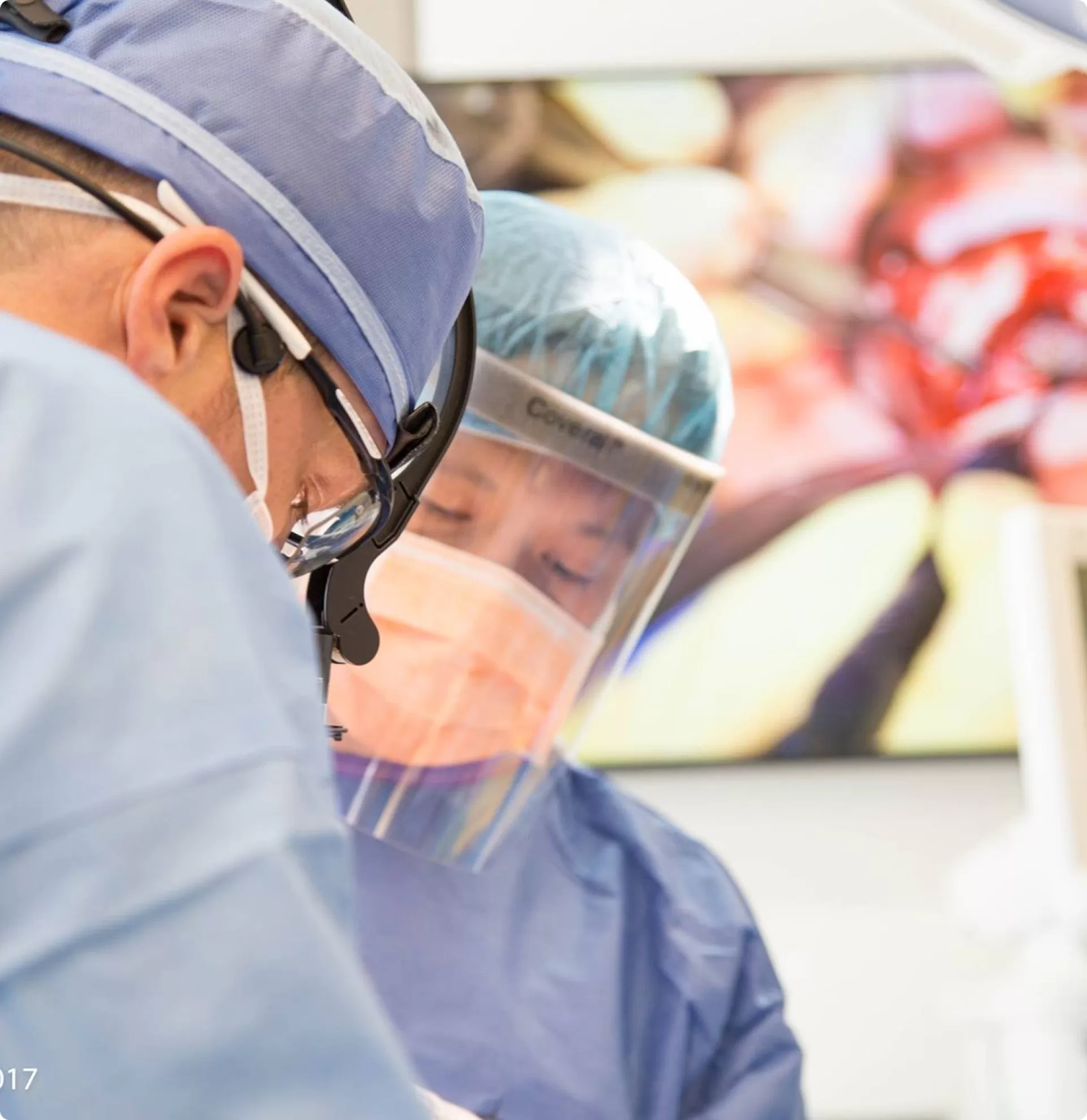
The importance of choosing a qualified surgeon
All On 4 Plus® treatment is not something that should be taken lightly, although we have created processes that make the treatment journey 'straightforward' - it is a major procedure where expertise and knowledge is needed by all involved.
At All On 4 Plus®, clinical experience plays an important role in the care we provide. Having worked as an implant surgeon for more than 25 years, I have developed extensive knowledge across implant dentistry and broader dental treatment. This experience continues to inform my clinical decision-making, treatment planning and surgical approach. It has also contributed to the development of the All On 4 Plus® and All On 4 Clinic Networks. Alongside this I have also added over 20 other surgeons to my growing network who I know share the same passion and knowledge for implantology and teaching them and helping them grow has been a privilege.
To get a better understanding about the standard of your surgeon’s experience and learning trajectory, the most important question to ask is not only how many All-On-4 Plus® procedures have you done, but how many implants have you done before doing your first All-On-4 Plus®? It is also important to know if they regularly perform bone grafting procedures, which is a critical skill to have for dealing with unexpected intra-operative situations.
Essential FAQ for Your Consultation
When researching a provider for your dental treatment, it is important to look beyond basic marketing statistics. While many clinics advertise the number of procedures they have completed, the quality of your outcome depends on the surgeon’s foundational training and their ability to navigate complex anatomical challenges.
- The Clinical Foundation: The All-On-4 Plus® technique is an advanced, high-stakes surgery. A surgeon who mastered hundreds of individual implants before moving to full-arch restorations has a much higher "surgical IQ." This experience ensures they understand the nuances of bone biology and implant integration across a variety of different patient types.
- Management of the Unexpected: Every patient’s anatomy is different. During surgery, a clinician may encounter unexpected bone deficiencies or anatomical obstacles that weren't fully visible on a scan.
- The Necessity of Grafting Skills: A surgeon who regularly performs bone grafting has the manual dexterity and technical skill required to handle "intra-operative" situations. If a complication arises, a grafting expert can pivot and solve the problem on the spot. Without these advanced skills, a surgeon may be unable to provide a stable result if your bone structure doesn't perfectly match the standard protocol.
You aren't looking for a "perfect" track record-surgery always carries risks. You are looking for honesty and technical competence. A surgeon who regularly performs bone grafting has a larger "toolbox" of skills. If the bone is softer than expected or a sinus is in the way, you need to know they can pivot immediately to a "Plan B" (like a graft or a change in implant position) without stopping the surgery or compromising the result.
Peri-implantitis is an inflammatory disease that can cause bone loss around implants. It is the "gum disease" of the implant world. Some clinics are great at placing implants but aren't equipped to save them if an infection occurs later. A surgeon with a strong learning trajectory in periodontal (gum) and bone health will have a clear maintenance and rescue protocol to protect your investment for decades, not just the first year.
Digital guides are wonderful tools, but they can sometimes act as a "crutch" for less experienced doctors.
You want a surgeon who uses technology to enhance their skills, not replace them. By asking this, you determine if they understand the biological "why" behind where an implant goes. If the digital guide doesn't fit perfectly on the day of surgery, a master surgeon can still proceed manually with 100% confidence; a novice might be stuck.